• Skip to primary navigation
  • Skip to main content
  • Skip to primary sidebar
  • Skip to footer

Ag Risk Management and Crop Insurance

Crop Insurance

  • Home
  • Crop Insurance
    • Important Crop Insurance Dates For Oklahoma
    • Hemp Crop Insurance Program (HCIP) Facts
  • Livestock Risk Protection
  • Our Agent Team
  • Contact
    • Contact The Apache Office
    • Contact The Chickasha Office
  • About Us
    • Resources
      • Price Discovery Tool
      • RMA Rainfall Data
    • AgRM&I Basic Client Assessment

Dakota Moss

About Dakota Moss

December 28, 2019 By Dakota Moss

USDA Issues Hemp Crop Insurance

USDA issues new crop insurance program for 2020 hemp production season

USDA officials in December released information covering a new pilot crop insurance program for hemp producers in selected areas.
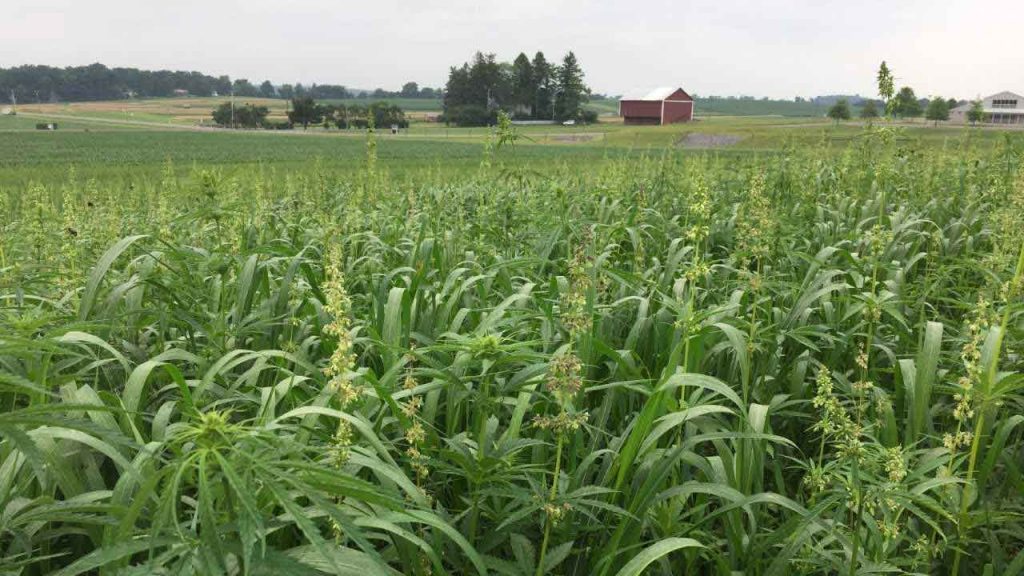
USDA Risk Management Admnistration Offers Hemp Crop Insurance in 2020 featured article image
USDA Risk Management Administration now Offers Hemp Crop Insurance in 2020

The USDA’s Risk Management Agency is now offering new options for the protection of hemp crops that will provide Actual Production History coverage under 508(h) Multi-Peril Crop Insurance for eligible producers who are producing fiber, grain, and flowers.

According to the RMA, Section 508(h) of the Federal Crop Insurance Act requires that the Federal Crop Insurance Corporation, or FCIC, publish any policies, rates, or provisions of policies that are approved by the agency’s board.  They are also required to make those policies available by other FCIC-reinsured companies.

Contracted insurers that have been approved by the USDA and that have agreed to participate in federally insured crop insurance programs are the typical sellers of Multiple Peril Policies.  The insures then distribute the policies through independent agencies like Ag Risk Management and Insurance of Apache, Ok and Chickasha, OK.  Those agencies collect premiums, issue policies and then pay the claims.

In a statement from the RMA, Administrator Martin Barbre says “We are excited to offer coverage to certain hemp producers in the pilot program.”

Feedback will be vitally important to the agency as this is a pilot program.

“Since this is a pilot program, we look forward to feedback from producers on the program in the coming crop year.”

RMA Admistrator Martin Barbre

Qualifying States

Hemp producers in select counties in the following states have been approved to be offered the Multi-Peril Crop Insurance program:

In addition to Oklahoma there is:

  • Alabama
  • California
  • Colorado
  • Illinois
  • Indiana
  • Kansas
  • Kentucky
  • Maine
  • Michigan
  • Minnesota
  • Montana
  • New Mexico
  • New York
  • North Carolina
  • North Dakota
  • Oklahoma
  • Oregon
  • Pennsylvania
  • Tennessee
  • Virginia
  • Wisconsin

Qualifying For Insurance

Eligibility for the MPCI pilot program and other USDA administered programs will require that the hemp producers are:

  • Compliant with applicable state, tribal or federal regulations for hemp production.
  • Experienced with hemp, having produced the crop for at least one year.
  • Under contract for the sale of the insured hemp crop.
  • Licensed under a state, tribal or federal program approved by the USDA under the interim final rule for federal hemp production, or part of a state or university research pilot program authorized by the 2014 Farm Bill.

The MPCI program will not cover hemp crops that exceed federal acceptable limits of 0.3% total THC.  Therefore, cannabis will not be offered coverage under these hemp insurance programs.

The new pilot crop insurance coverage is offered in addition to the Whole Farm Revenue Protection coverage plan the agency introduced to hemp producers in August for the 2020 season.

More coverage coming for container-grown hemp

In addition to these current federal hemp insurance programs, hemp will also be insurable under the nursery crop insurance program, as well as the Nursery Value Select pilot crop insurance program starting in the 2021 crop year.

Under these two programs, hemp producers growing the crop in containers will be eligible for insurance as long as they are compliant with state, tribal and federal regulations.

https://agrmi.com/hemp-crop-insurance-program-hcip/

More details about the USDA-RMA programs are available here.

Filed Under: Crop Insurance Tagged With: Hemp

June 30, 2019 By Dakota Moss

Check for Yield or Revenue Losses

As harvest slowly progresses be sure you are keeping track of your harvested bushels. Bushels need to be tracked by farm for accurate reporting on your crop insurance and for claims processing.

Wheat Harvest Near Minco

Once you have completed harvest take your production records to your crop insurance agent to see if your have a yield loss or revenue loss.

The KCBT harvest price is tracking well below the $5.74 projected price on MPCI wheat policies, and even if you are not in a yield loss you could be in a revenue loss.

Doubling up on Wheat in 2020: Dual Use Coverage

New for the 2020 crop year anyone grazing wheat in the fall and harvesting grain on those acres in the spring can cover both practices on an Annual Forage Rainfall Index Policy and a Multi-Peril grain policy.


Also On The Ag Risk Management Blog

  • Hemp. Proceed With Caution!

The dual use option for graze-grain crops was established by the 2018 Farm Law. The Annual Forage Rainfall Index is an area program based on grids utilizing 70 years of precipitation data from NOAA.

The signup deadline for the Annual Forage Rainfall Index program is July 15, 2019. The below tables show on a per acre basis the average payout versus cost for Caddo county on a ten year scale covering 90% of average rainfall and 100% of the county base value.

In Caddo County the Annual Forage Rainfall Index policy would have paid 6-7 years out of 10 and cost 3-4 years out of 10 in Caddo County. On average the 3-4 years a producer would have paid a premium they would not have had to pay the full amount due to losses.

If you graze out wheat or graze/grain wheat the Annual Forage Rainfall Index could add substantial value to your annual planted acres meant for forage.

Please contact us to see the payout history for your operation.

Filed Under: Blog Tagged With: Wheat Harvest

May 30, 2019 By Dakota Moss

Prevented Planting Claims

As we get closer to harvest and the weather continues to produce hail, tornados, and heavy rains remember we offer hail coverage on wheat, canola, and many other small cereal grains. This coverage has 2-hour binding, meaning you can take it out two hours prior to a storm.

Prevented Planting Claims featured image
Prevented Planting Claims

Crop hail can be stacked on your multi-peril crop insurance. We work with three different companies to make sure you are getting the best price for your crop hail coverage.

Contact our Apache or Chickasha office to see what your cost and coverage would be so you are prepared in case a storm heads your way!

HAYING INSURED WHEAT ACRES

inIf you are interested in swathing insured acres for hay, call your agent so that we can get an adjuster in contact with you. This will protect your APH (Approved Production History), so that future Crop Insurance guarantees will reflect actual yield data.

PREVENTED PLANTING CLAIMS

We’ve had exceptionally heavy rains and already saturated fields. The possibility of not getting acres planted timely is becoming more of a possibility. Prevented Planting Coverage provides producers with valuable protection in the event they are unable to plant an insured crop by the final planting date or during the late planting period due to an insured cause of loss.


Read More on Ag Risk Management and Crop Insurance:

  • Hemp. Proceed With Caution!

Sometimes adverse weather prevents planting. A prevented planting payment is made to compensate for the producer’s pre-planting costs that are generally incurred in preparation for planting the crop. Prevented plant claims can be submitted after the final planting date. They can also be submitted up to three days after the late planting period.

The main criteria adjusters will look at is if the cause of loss is general to the surrounding area. The adjusters will also determine if neighboring producers have been similarly affected. Prevent Planting Coverage will pay against your insured guarantee you would have had if the acres would have been planted.

Prevent Plant Coverage by Crop:

  • Corn: 55%
  • Cotton: 50%
  • Grain Sorghum: 60%
  • Peanuts: 55%
  • Soybeans: 60%

In the event of a Prevented Planting Claim you will have the following options: Take 100% of the prevent plant payment and leave the acres idle till the next crop year,

or

plant a second crop but only receive 35% of the prevent plant payment. A 60% yield would go into your production history for that year if you plant a second crop.

As we move closer to the final plant dates visit with your agent on your options and what is best for your operation moving forward.

CROPS ELIGIBLE FOR REPLANT PAYMENTS

Under your crop insurance policy if you lose 20 percent of a field or 20 acres you are eligible for a replant payment. The calculation for those payments will vary by crop.

Crop eligible for replant payments are:

  • Corn
  • Grain Sorghum
  • Soybeans
  • Peanuts
  • Sunflowers


If you are growing and ensuring any other crops be sure to check with your agent if it is eligible for replant payments.

Filed Under: Blog

April 9, 2019 By Dakota Moss

Hemp! Proceed With Caution

2018 FARM LAW UPDATE

HEMP! Proceed With Caution!

With the signing of the 2018 Farm Bill into law hemp was declassified from a controlled dangerous substance and is now an agricultural commodity.

Crop Insurance for Hemp Production with Ag Risk Management and Insurance featured image
Become informed about the emerging Hemp Industry.

Currently in Oklahoma our state pilot program differs from the federal laws. Research into regulations and ag policies for hemp are underway but it will be sometime before a commercial ag industry is up and running.

With the lack of infrastructure and processing facilities we urge you to proceed with extreme caution if you plan on growing industrial hemp in the 2019 crop year. Do your research and make sure you are not getting pulled into something that is too good to be true.

Currently hemp is eligible for crop insurance but there is no federal crop insurance policy available this year for the new commodity.

In the future industrial hemp could be another crop you can put into your rotation but there are to many unknowns currently. As we begin to see more information on Ag Policy on industrial hemp we will keep you informed.

Filed Under: Blog, In The News Tagged With: Hemp

March 7, 2019 By Dakota Moss

It’s A Risky Business

The farming and agricultural industry often involves risk and uncertainty. From unexpected natural disasters to major economic changes in the marketplace, many situations can affect the productivity of your agribusiness.

At Ag Risk Management & Insurance, LLC, we know that the success of your farm directly impacts the livelihood of you and your family. With the right Crop Insurance coverage, you can protect your business and keep your farm afloat through all of the difficult times.

We offer personal and private consultation and will meet with you every year to discuss changes, explore new products and create a plan that’s right for you.

Designing a specific policy with us gives you the options of coverage in the following areas:

  • Multi-Peril:  Federally subsidized coverage for production and revenue losses due to declining prices or adverse weather events such as: drought, excessive moisture, hail or wind.
  • Hail – Wind – Fire:  Additional coverage is available to protect the profitability of your crop when hail, wind or fire impacts your growing crops.
  • Shallow Yield Loss:  Traditional multi-peril coverage can insure up to 85% of your historical yields.  Our Shallow Yield Loss Coverage can cover up to 95% – ensuring your ability to “farm another year” when the devastating effects of adverse weather hit your farm.
  • GPS Mapping – Precision Farming:  GPS mapping and utilizing your precision farming records ensures accuracy, promotes communication, reduces paperwork and simplifies the claim process.  

Call us today in Chickasha, OK at (405) 222-6490 or in Apache, OK at (580) 588-5509.

Filed Under: Blog

March 5, 2019 By Dakota Moss

Get Over It And Do What’s Smart

Oscar Caldwell and Grandson image
Do What’s Smart

Frequently the most significant opportunities lurk in the most unlikely places. Who would have ever thought that a small investment in companies such as Wal-Mart, cellular phone start-ups, or a not-so-well understood computer company such as Apple or Microsoft could prove to be outstanding choices?

Likewise, we are in an era where people are looking to make long-term investment decisions find themselves struggling to find opportunities for a “safe” and “reasonable” return on their money. It may be good to look in some places that might seem a bit odd at first glance.

Sometimes it just means that you should “just get over it!” This might mean having conversations that aren’t always easy, but could reap benefits down the road for yourself and your loved ones. Making smart decisions can provide for a stable future.

If you are interested in this very safe and predictable investment vehicle destined to protect what is important to you, contact us for an appointment to discuss this opportunity.

Filed Under: Blog

March 1, 2019 By Dakota Moss

How the 2014 Farm Bill Radically Changed Everything

On February 7, 2014, a new five-year farm bill, the Agricultural Act of 2014, was signed into law. The 959-page Act affects hundreds of federal programs involving agriculture, dairy, conservation, nutrition and international food aid. The cost of the Act is estimated at $956 billion.

The short version of the Bill — repeal the existing crop subsidy programs and use part of the savings to expand Crop Insurance Programs.  There’s a ton more, but that is basically it.

No More Direct Subsidies To Farmers

The New Farm Bill eliminated direct payments to farmers.   The farm bill programs of the past paid subsidies directly to the farmer for eligible crops.  The subsidies were based on historical averages and yields.  Farm prices tend to cycle. The subsidies countered the lean years.  In other words — it was a safety net. What many non-farmers could not understand was that many times farmers did not have to plant the crops to get the benefits.  Well that’s all gone now.

Expanded Crop Insurance Subsidies

The new farm bill had replaced the direct payments with two new programs and an expansion of federally-subsidized crop insurance.

There Were Two Programs To Choose From

Farmers needed to choose between two programs:  Price Loss Coverage or Agriculture Risk Coverage.  It was important to understand the difference.  The choice you made was irrevocable for the entire 5 year period covered by the new Farm Bill.

In Short, Price Loss Coverage provided payments if market prices fell below established reference prices. Agricultural Risk Coverage will provide payments if actual crop revenue falls below established revenue guarantees. There will also be an election between Agricultural Risk Coverage based upon county or individual revenue levels.

There were complicated payment formulas, but the main distinction is that there will no longer be automatic payments. Instead, the programs are designed to provide payments only when market prices or crop revenue fall below threshold amounts.

Ag Risk Management & Insurance LLC has an expert understanding of the processes and formulas to guide you in your decision on which is the best program for you and for your operation.

As with the old law, it is all based upon ‘base acres’.  You can choose to retain the base acres of the past or reallocate base acres among covered crops according to acreage in each covered crop planted over the past four crop years.  Once again the method you decide upon is irrevocable.  AgRM&I has the tools to help you make the best decision for your circumstances.

New Payment Limitations

The payment limitations have been changed, as well.  The most a person or entity can receive is $125,000 per year or $250,000.00 for a married couple.  Also a person becomes ineligible if their 3 year average exceeds $900,000.00.

The Act provides an expansion of the federally-subsidized crop insurance.  There are different types of crop insurance coverages.  Farmers can buy policies to insure a specific per acre yield or to insure a given level of revenue. The amount of insurance available is dependent upon historic acreages and crop yields. Banks typically require crop insurance to extend crop loans.

Supplemental Coverage Options

There is also now a Supplemental Coverage Option.  This option provides farmers with the option of buying insurance that covers a part of the deductible under both yield and revenue loss policies.  Cotton now has its own program called stacked Income Protection Plan, starting in 2015.

Livestock Provisions

The Act repeals the Dairy Product Price Support and Milk Income Loss Contract (MILC) programs. These will be replaced with a new Margin Protection Program for Dairy Producers, which will be managed by the Department of Agriculture and operate similar to insurance.

The program will make payments to dairy farmers based on the difference between the price of milk and the cost of feed to produce the milk. Dairy farmers will be able to elect different coverage levels between $4 and $8 per hundredweight.

Hundreds of other Provisions

There are hundreds of other agriculture and nutrition programs affected by this New Farm Bill.  Among them:

  • Marketing Assistance Loans to farmers
  • Livestock indemnity payments to eligible producers with excessive livestock losses.

The new law includes premium schedules for purchasing coverage. The insurance premiums go up for milk production in excess of four million pounds. There will also be limitations on coverage based on historic production. These will function like a base plan to provide a disincentive to increase production; however, the Act provides a formula to allow new producers to participate in the program.

As you can see, this is a very complicated landscape.  There are many nuances of these programs that can greatly affect your bottom line and the future success of your agriculture operation. 

Ag Risk Management & Insurance LLC Has The Answers

The good news, Ag Risk Management & Insurance LLC knows what is happening in agriculture today and can help you navigate this landscape and take every advantage you can to better your financial position.  That is why we are more than just Crop Insurance.  We have the expertise to help you manage all the risks associated with your livelihood.

Filed Under: Uncategorized

September 13, 2016 By Dakota Moss

Sept Update Meeting

Ag Risk Management September Update Meeting PostcardJoin us for a complimentary steak dinner and discussion on options to best adapt to low crop and livestock prices.

If you are struggling with the direction you need to take in response to low crop and cattle prices, this meeting is a MUST!  Pick a meeting, join us and stay informed.

Come join us for our next meeting.  Check our Events Page for dates and locations near you

Filed Under: Uncategorized

May 1, 2015 By Dakota Moss

Why Does Yield Exclusion Matter?

FSA Important Dates Wheat Image
Always Be Mindful Of Important Crop Reporting Dates. Call Your Agent!

Let’s run through the question: Why Does Yield Exclusion Matter?, especially this year.  

One of the highlights of the 2014 Farm Bill is the response to producer’s requests to find a way to lessen the impact of successive years of low crop yields due to circumstances beyond our control. Yield Exclusion (YE) is the provision that allows that request to be addressed in most cases. However, for you as a wheat producer to be ready to take a look at the pro’s and con’s to YE, there are some very critical things you need to be aware of:

6 Critical Issues

  1. The opportunity to exclude and particular year is dependent on your county’s disaster status and yields for that year, not your own production.
  2. The USDA determines ahead of time the years that specific crops are eligible for YE in your county. That information is available thru your crop insurance agent.
  3. You can opt out in all eligible years, or just the ones that benefit you. Election is available on a crop by crop, farm by farm and year by year basis.
  4. In most cases, participating in YE will result in higher per acres guarantees, but also higher insurance premiums per acre. The degree of increases is determined by producer and farm.
  5. ALL of your production history must be in the Crop Insurance Companies database in order to get a summary by farm as to how much your guarantee and premium will increase if you choose to elect some or all of the years eligible. THIS INCLUDES PRODUCTION FOR 2015 WHEAT CROP!!
  6. Getting your production recorded early is vital, because you have only until Sales Closing Date of Sept 30th, 2015 to add YE to your policy if you want to utilize that option. Typically, unless we have a claim, production is not reported until October or the production reporting deadline of Nov 15th.  

Early Recording Is The Key

The key, once again, is to get all of your production history recorded early this year in order to have time to evaluate the advantages and disadvantages of YE on a farm-by-farm basis. –

AGRM&I Management Team

 Here is an example of how Yield Exclusion would work:

Current APH History YE Adjusted
APH History
Year APH
Yield
YE
Eligible?
Exercise
YE?
Year Yields
2012 8 n y 2012 n/a
2011 11 y  y 2011 n/a
2010 21 n   2010 21
2009 9 y  y 2009 n/a
2008 49 n   2008 49
2007 28 n   2007 28
2006 31 n   2006 31
2005 25 y  n 2005 25
2004 38 n   2004 38
2003 32 n   2003 32
APH Years = 10 years to count
Recorded yield totals = 252
APH = Recorded yield/Years = 25.2 bu
Guarantee @ 70% = 17.64 bu x $6 = $105.84/ac
Premium w/o YE = $8.94/acre (Enterprise Unit)
APH Years after YE = 7 years to count
Recorded yield total = 224
APH = Recorded yield/Years = 32 bu
Guarantee @ 70% = 22.4 bu x $6 = $134.4/ac
Premium with YE = $11.95/acre (Enterprise Unit)

An increased guarantee on crop yields is a key improvement for many producers. With the increased cost of inputs and the lagging commodity prices, it can often be the difference in securing enough operating money to provide the best opportunity for a successful crop. For many, the YE option will be a beneficial option to use, but for others the increase in cost will not justify the additional guarantee.

Again, Early Recording Is The Key

The key, once again, is to get all of your production history recorded early this year in order to have time to evaluate the advantages and disadvantages of YE on a farm-by-farm basis.

     As always, if you have any questions regarding the new opportunity to use Yield Exclusion, or if you have questions or concerns about anything else that we can help you with please feel free to contact us by phone, email, or just drop by and visit.

Filed Under: Why It Matters Tagged With: Yield Exclusion

Primary Sidebar

Search Ag Risk

Recent Posts

  • USDA Issues Hemp Crop Insurance
  • Check for Yield or Revenue Losses
  • Prevented Planting Claims
  • Hemp! Proceed With Caution
  • It’s A Risky Business
  • Home
  • Crop Insurance
    • Important Crop Insurance Dates For Oklahoma
    • Hemp Crop Insurance Program (HCIP) Facts
  • Livestock Risk Protection
  • Our Agent Team
  • Contact
    • Contact The Apache Office
    • Contact The Chickasha Office
  • About Us
    • Resources
      • Price Discovery Tool
      • RMA Rainfall Data
    • AgRM&I Basic Client Assessment

Footer

Policy Pages

  • Privacy Policy
  • Site Security
  • Non-Discrimination Statement
  • DMCA

Resources

  • Rainfall Data
  • RMA Price Discovery
  • Key Crop Insurance Dates
  • Crop Insurance Acronyms
Copyright © 2026 Ag Risk Management & Insurance, LLC. All rights reserved. Site Design By Striped Ape Digital Media Return to top · Log in
This website uses cookies to improve your experience. We'll assume you're ok with this, but you can opt-out if you wish.AcceptReject Read More
Privacy & Cookies Policy

Privacy Overview

This website uses cookies to improve your experience while you navigate through the website. Out of these, the cookies that are categorized as necessary are stored on your browser as they are essential for the working of basic functionalities of the website. We also use third-party cookies that help us analyze and understand how you use this website. These cookies will be stored in your browser only with your consent. You also have the option to opt-out of these cookies. But opting out of some of these cookies may affect your browsing experience.
Necessary
Always Enabled
Necessary cookies are absolutely essential for the website to function properly. This category only includes cookies that ensures basic functionalities and security features of the website. These cookies do not store any personal information.
Non-necessary
Any cookies that may not be particularly necessary for the website to function and is used specifically to collect user personal data via analytics, ads, other embedded contents are termed as non-necessary cookies. It is mandatory to procure user consent prior to running these cookies on your website.
SAVE & ACCEPT